
Scrape a Substack newsletter's recent posts

ParseBird

Substack Scraper
Scrapes the 30 most recent posts from one Substack newsletter (here Astral Codex Ten) via the public JSON API — title, subtitle, author, publish date, URL, like and comment counts, and the full HTML body. Publication metadata (subscriber count, pricing) is emitted separately. Replace `urls` with any Substack homepage, custom domain or /archive URL.

Input
Output fields
Sign up on Apify or log in
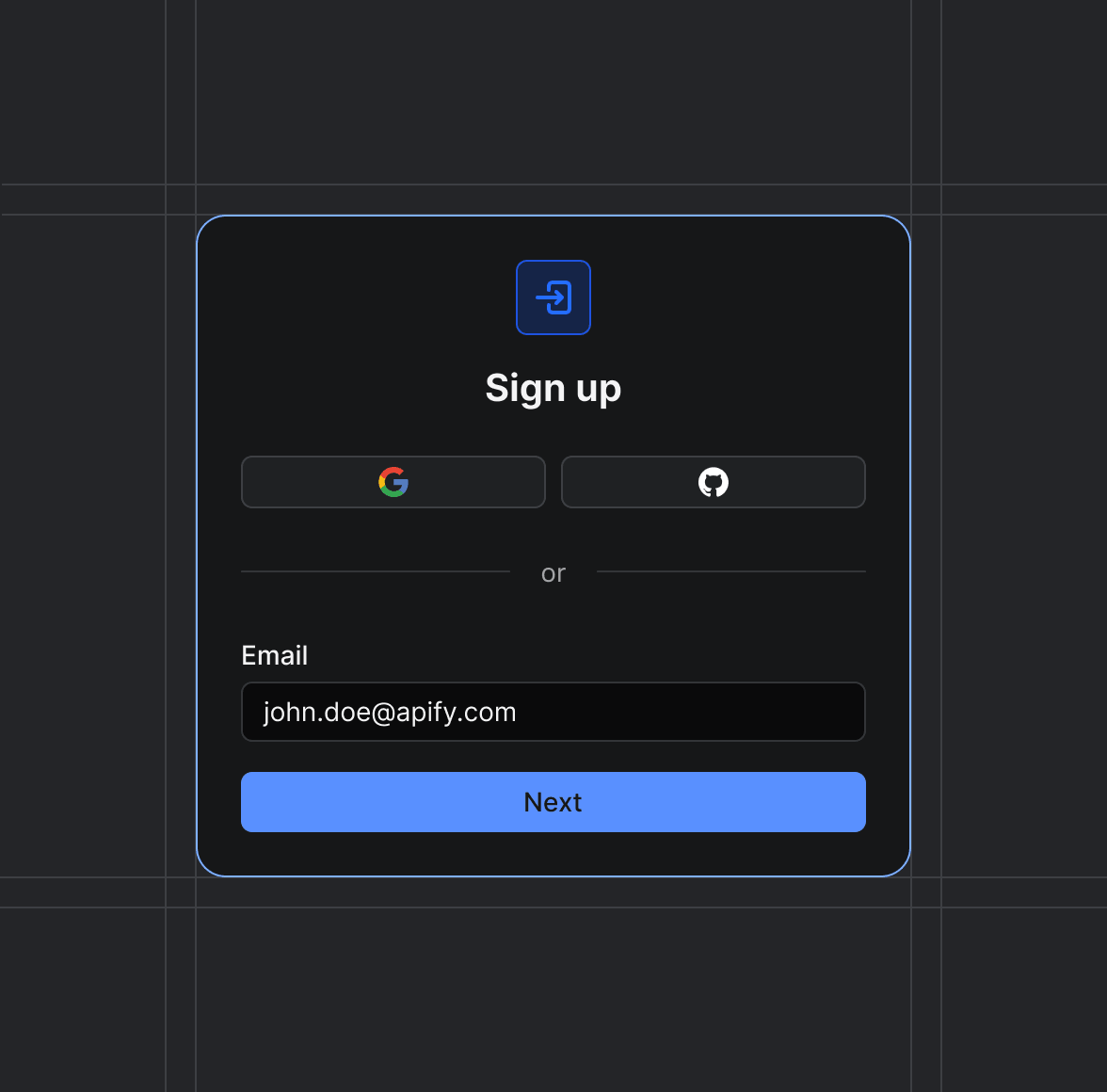
The Substack Scraper Actor is ready to run with the inputs already set for "Scrape a Substack newsletter's recent posts". Sign up or log in and you'll land in Apify Console with a copy of this exact task.
Start the "Scrape a Substack newsletter's recent posts" task
The Substack Scraper Actor will start running based on the input automatically. You can also change all the input fields, like newsletter urls, max posts per newsletter, and more, to match your specific use case.
Receive the "Scrape a Substack newsletter's recent posts" output
Monitor the progress in real time. You will be notified as soon as your dataset is complete and ready for review. Each result includes data such as title, newsletter, author, and more.
Integrate into your workflow
The final output is delivered in JSON, CSV, or Excel format, ready to be plugged into your workflow. You can also run the "Scrape a Substack newsletter's recent posts" task via API.
Integrate "Scrape a Substack newsletter's recent posts" into your workflow
Connect "Scrape a Substack newsletter's recent posts" with 100+ integrations, or run it via API or MCP.

Webhook

n8n

Make

Zapier

Airbyte

Keboola

IFTTT

Hubspot

GDrive

Gmail

Apify MCP

GitHub

Slack

LangChain

LlamaIndex

Flowise

Pinecone

OpenAI

Mastra

Clay