
Normalize Drug Identifiers & Retrieve FDA Safety Data

Zandro Justine Labasano

Resolve drug names or NDC codes to canonical RxNorm RxCUI identifiers, then retrieve matched FDA labels, boxed warnings, recalls, shortages, and top FAERS adverse-event signals. Use this task to enrich medication records with normalized drug identity and safety context.

Input
Output fields
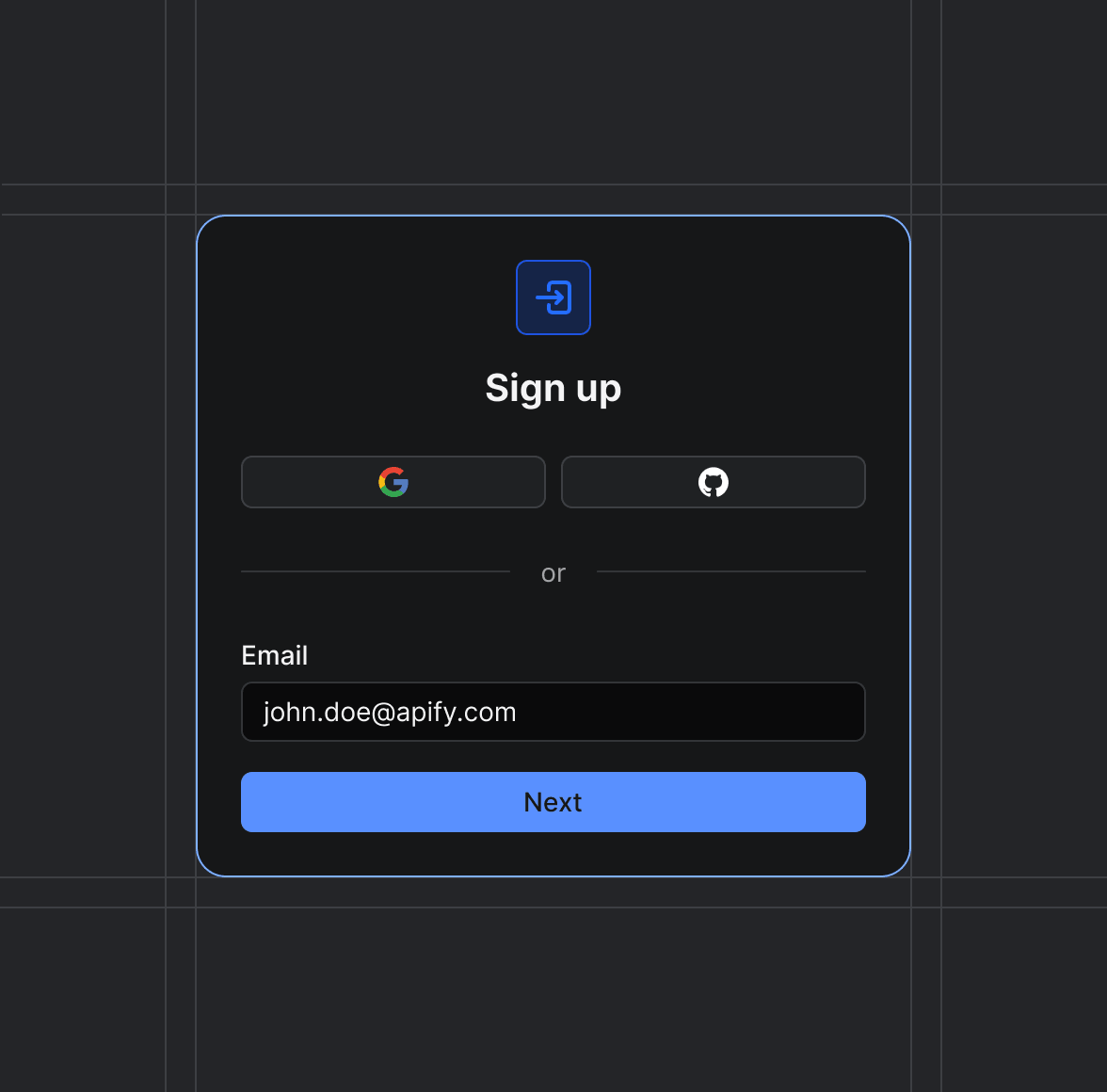
Sign up on Apify or log in
The DrugIntel - openFDA & RxNorm Scraper Actor is ready to run with the inputs already set for "Normalize Drug Identifiers & Retrieve FDA Safety Data". Sign up or log in and you'll land in Apify Console with a copy of this exact task.
Start the "Normalize Drug Identifiers & Retrieve FDA Safety Data" task
The DrugIntel - openFDA & RxNorm Scraper Actor will start running based on the input automatically. You can also change all the input fields, like drug names or ndc codes and top faers reactions limit, to match your specific use case.
Receive the "Normalize Drug Identifiers & Retrieve FDA Safety Data" output
Monitor the progress in real time. You will be notified as soon as your dataset is complete and ready for review. Each result includes data such as query, rxcui, normalized name, and more.
Integrate into your workflow
The final output is delivered in JSON, CSV, or Excel format, ready to be plugged into your workflow. You can also run the "Normalize Drug Identifiers & Retrieve FDA Safety Data" task via API.
Integrate "Normalize Drug Identifiers & Retrieve FDA Safety Data" into your workflow
Connect "Normalize Drug Identifiers & Retrieve FDA Safety Data" with 100+ integrations, or run it via API or MCP.

Webhook

n8n

Make

Zapier

Airbyte

Keboola

IFTTT

Hubspot

GDrive

Gmail

Apify MCP

GitHub

Slack

LangChain

LlamaIndex

Flowise

Pinecone

OpenAI

Mastra

Clay
Submit drug names or National Drug Code (NDC) identifiers supported by the Actor's input configuration.
It returns normalized RxNorm identifiers and matched FDA drug information, including labels, boxed warnings, recalls, shortages, and top FAERS adverse-event signals.
Yes. The structured records can support pharmaceutical data enrichment, research workflows, and medication information systems. The results should not be treated as clinical advice or a substitute for professional medication review.