
Feed your AI with Facebook post performance data
Apify

Feed your AI with engagement metrics (likes, shares, comments) from public pages' Facebook posts so it can learn which content patterns actually drive results.

Input
Output fields
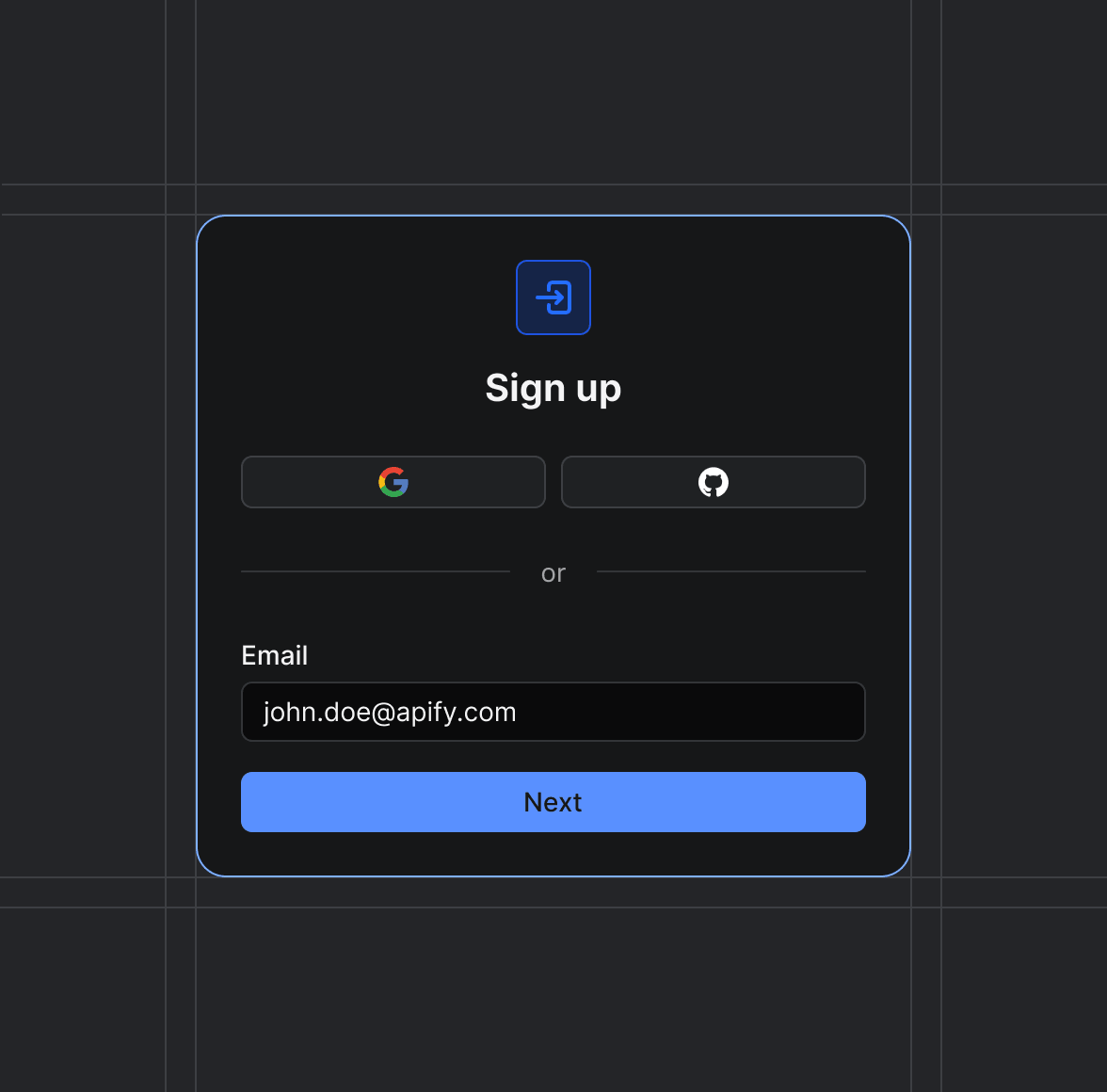
Sign up on Apify or log in
The Facebook Posts Scraper Actor is ready to run with the inputs already set for "Feed your AI with Facebook post performance data". Sign up or log in and you'll land in Apify Console with a copy of this exact task.
Start the "Feed your AI with Facebook post performance data" task
The Facebook Posts Scraper Actor will start running based on the input automatically. You can also change all the input fields, like facebook urls, include video transcript, and more, to match your specific use case.
Receive the "Feed your AI with Facebook post performance data" output
Monitor the progress in real time. You will be notified as soon as your dataset is complete and ready for review. Each result includes data such as post picture, post url, post text, and more.
Integrate into your workflow
The final output is delivered in JSON, CSV, or Excel format, ready to be plugged into your workflow. You can also run the "Feed your AI with Facebook post performance data" task via API.
Integrate "Feed your AI with Facebook post performance data" into your workflow
Connect "Feed your AI with Facebook post performance data" with 100+ integrations, or run it via API or MCP.

Webhook

n8n

Make

Zapier

Airbyte

Keboola

IFTTT

Hubspot

GDrive

Gmail

Apify MCP

GitHub

Slack

LangChain

LlamaIndex

Flowise

Pinecone

OpenAI

Mastra

Clay
The task provides the number of likes, comments, and shares for each Facebook post.
The output includes post text, post URL, a post picture, likes count, comments count, and shares count.
This task can be scheduled to run automatically through the Apify Console.
This task can be integrated with AI workflows via API endpoints or by using SDKs like Python and Node.js.
This task extracts posts, videos, engagement metrics, as well as media assets from public Facebook pages.
The task can extract up to 100 posts per execution based on the current input configuration.