Zenodo Research Scraper — Datasets, Papers & Software
Pricing
from $0.0005 / record scraped
Zenodo Research Scraper — Datasets, Papers & Software
Search Zenodo (CERN) research outputs in bulk: datasets, publications, software, images and more. Get title, DOI, authors with affiliations, description, keywords, license, access rights, views, downloads and file links. For academic research, lit reviews and n8n.
Pricing
from $0.0005 / record scraped
Rating
0.0
(0)
Developer

hiper soft
Maintained by CommunityActor stats
0
Bookmarked
2
Total users
1
Monthly active users
23 days ago
Last modified
Categories
Share
Search and export Zenodo — the open research repository built at CERN — into clean JSON, CSV, Excel or XML. Pull research outputs in bulk: datasets, publications, software, images, videos, posters and presentations with their DOIs, authors and affiliations, description, keywords, license, access rights, view and download counts, and downloadable file links.
Built for researchers, data teams, meta-analysts and pipelines that need structured research metadata at scale instead of clicking through the Zenodo site one record at a time.
What does the Zenodo Research Scraper do?
Give it a search query — a topic like climate change, a method like deep learning, or an author or keyword — optionally narrow it to one resource type, and the actor paginates through Zenodo and returns one clean row per record:
title,doiand a directurlto the recordtype(dataset, publication, software, image, video, poster, presentation)publicationDatecreators— each withnameandaffiliationdescription(plain text, HTML stripped),keywords,licenseandaccessRightviewsanddownloadscountsfiles— each withname,sizeand a downloadlink
What data can you get?
| Field | Type | Description |
|---|---|---|
id | integer | Zenodo record ID (unique identifier) |
doi | string | Digital Object Identifier for the record |
title | string | Record title |
type | string | Resource type, e.g. dataset, publication, software |
publicationDate | string | Publication date (YYYY-MM-DD) |
creators | array | Authors, each { name, affiliation } |
description | string | Description as plain text (HTML stripped) |
keywords | array | Keywords / tags assigned to the record |
license | string | License identifier, e.g. cc-by-4.0 |
accessRight | string | Access level, e.g. open, restricted, closed |
views | integer | Number of views recorded for the record |
downloads | integer | Number of file downloads recorded |
files | array | Attached files, each { name, size, link } |
url | string | Link to the record page |
Use cases
- Literature & data reviews — collect every dataset, paper or software release on a topic with DOIs ready to cite.
- Meta-analysis — build a structured corpus of research outputs, filtered to one resource type.
- Research monitoring — track new outputs for a topic sorted by most recent.
- Dataset discovery — find open datasets and their downloadable file links for reuse.
- Bibliometrics — analyse views, downloads, licenses and access rights across a field.
How to use it
- Add the Zenodo Research Scraper to your Apify account and open the input form.
- Enter a Search query (e.g.
climate change). - Optionally pick a Resource type to narrow results to datasets, publications, software and so on.
- Choose a Sort order — best match or most recent.
- Set Max items to cap the export, then Run.
- Export the dataset as JSON, CSV, Excel or XML, or pull it via the Apify API.
Input
| Field | Type | Description |
|---|---|---|
query | string | Search string matching titles, descriptions, authors and keywords. |
resourceType | string | Optional: dataset, publication, software, image, video, poster or presentation. Empty = all types. |
maxItems | integer | Maximum records to return (default 100). |
sort | string | bestmatch (relevance) or mostrecent (newest first). |
Output
FAQ
What is Zenodo? Zenodo is an open research repository operated by CERN. It lets researchers deposit and share datasets, papers, software, figures and other outputs, each assigned a citable DOI.
How many records can I get? As many as your search returns. Use Max items to cap a run and keep it cheap, and Resource type to focus on exactly what you need.
How does billing work? You pay only per record you get, so small, tightly filtered runs stay inexpensive.
What export formats are supported? JSON, CSV, Excel and XML, plus direct access via the Apify API.
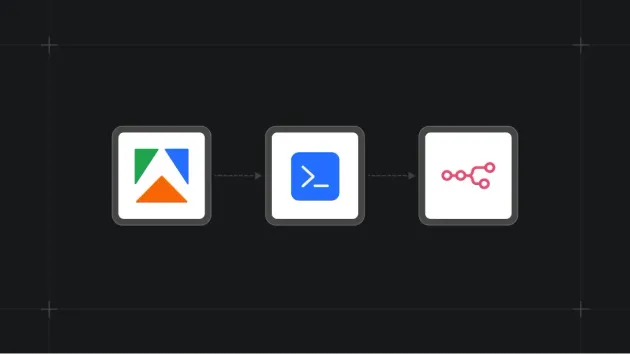
Can I use this with n8n? Yes. Run the Zenodo Research Scraper from n8n with the Apify node — trigger a run, wait for it to finish, and read the dataset items straight into your workflow to build reading lists, enrich references or drive alerts. It also works with Make, Zapier and the Apify API.
Can I connect this to other tools? The Zenodo Research Scraper connects with almost any cloud service or web app through integrations on the Apify platform — Make, Zapier, Slack, Google Drive and many more, plus webhooks to trigger an action whenever a run finishes.
Is this only public data? Yes. It returns only openly published research metadata. You are responsible for compliance with Zenodo's terms and the license of each record.
Notes
Original clean-room implementation. Not affiliated with Zenodo or CERN. Records are contributed by Zenodo's users and made available under their respective licenses; cite the original works where required.